The sudden reality of a pet emergency can hit hard – not just emotionally, but financially. An unexpected vet visit for a swallowed toy or a mysterious limp can easily set you back $800-$1,500. For more complex issues like cancer therapy, the bill can quickly climb past $10,000. This is precisely why understanding Pet Insurance Fundamentals & Coverage Types isn't just a good idea; it's a vital step for any responsible pet owner looking to safeguard their furry family member without breaking the bank.
Imagine facing a critical medical decision for your beloved companion, only to have cost be the deciding factor. Pet insurance empowers you to prioritize your pet's health above financial constraints, offering a crucial safety net against the unpredictable and often staggering costs of modern veterinary care.
At a Glance: Your Pet Insurance Roadmap
- Financial Shield: Protects against high-cost vet bills from accidents, illnesses, and emergencies.
- Reimbursement Model: You typically pay the vet upfront, then submit a claim for reimbursement based on your policy.
- Freedom of Choice: Visit any licensed veterinarian, specialist, or emergency clinic – no networks.
- Coverage Types: Choose from Accident-Only, Illness, or Comprehensive plans.
- Key Terms: Understand deductibles, reimbursement percentages, annual limits, premiums, and waiting periods.
- Pre-Existing Conditions: Generally excluded, so enrolling your pet when they're young and healthy is key.
- Customization: Many plans allow you to tailor coverage levels and add-ons like wellness care.
Why Pet Insurance Isn't Just for Emergencies Anymore
Modern veterinary medicine has made incredible strides, offering treatments that were unimaginable decades ago. From advanced diagnostics like MRI and CT scans to sophisticated surgeries and cutting-edge cancer therapies, the possibilities for extending and improving our pets' lives are vast. However, this progress comes at a price.
Without insurance, a single emergency can lead to difficult choices, forcing owners to consider economic euthanasia or go into significant debt. Pet insurance acts as a financial buffer, allowing you to focus on getting your pet the best care possible, rather than agonizing over the bill. It's about peace of mind, knowing that if the unthinkable happens, you're prepared.
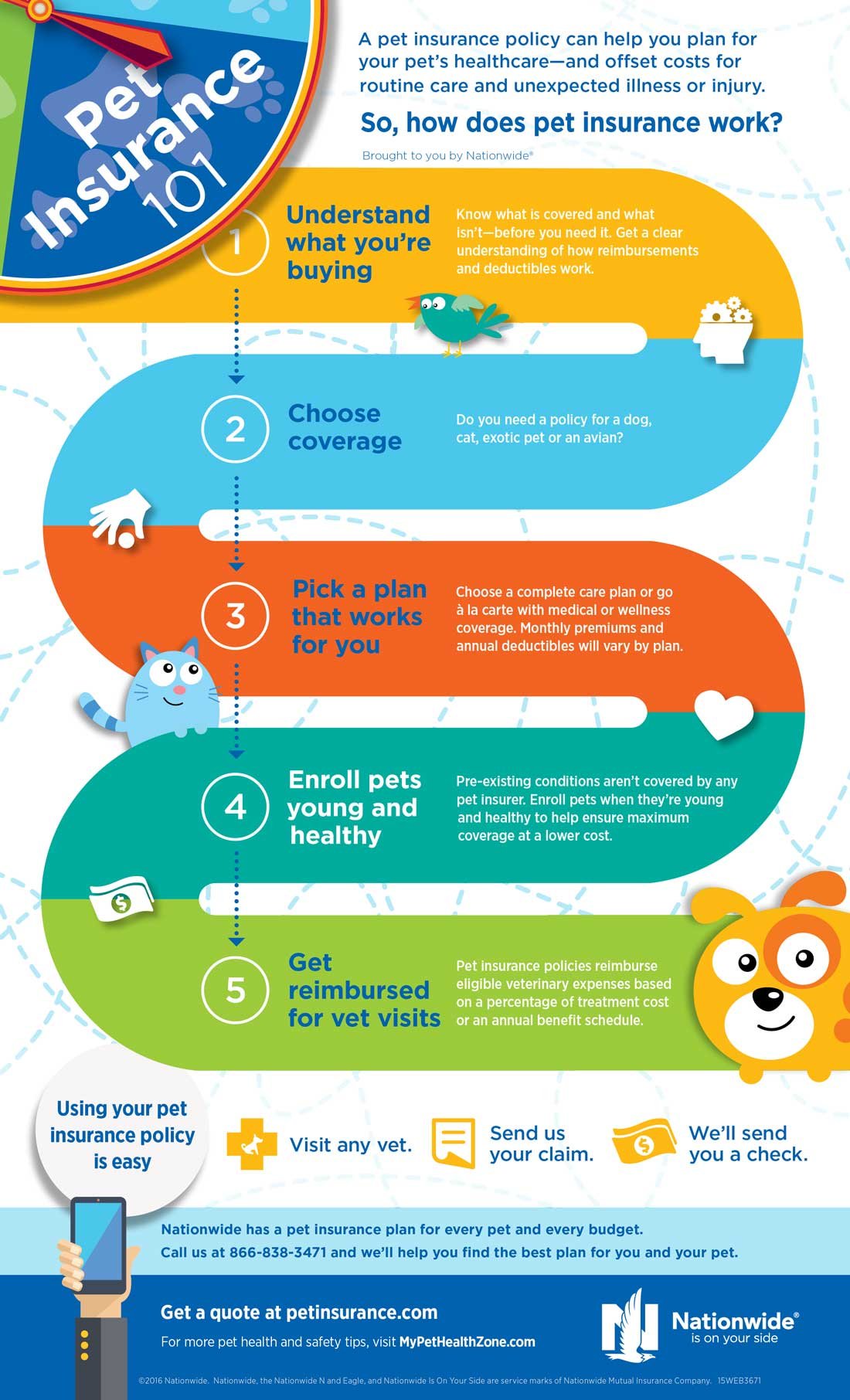
How Pet Insurance Works: A Simple Flow
Unlike human health insurance, pet insurance generally operates on a reimbursement model. Here’s how it typically unfolds:
- Vet Visit: Your pet receives care from any licensed veterinarian, specialist, or emergency clinic you choose.
- You Pay: You cover the veterinary bill directly at the time of service.
- Submit Claim: You submit a claim to your insurance provider with the necessary documentation (itemized invoice, medical records).
- Review & Approve: The insurer reviews your claim against your policy terms, deductibles, and reimbursement percentage.
- Reimbursement: Once approved, the insurer sends you a check or direct deposit for the covered amount.
While the reimbursement model is standard, a few newer providers are starting to offer direct payment to veterinarians, which can simplify the process by reducing your upfront out-of-pocket costs. Always check with your chosen provider and veterinarian if this is an option. Crucially, pet insurance typically doesn't involve networks, meaning you have the freedom to choose any licensed vet you trust.
Decoding Coverage Types: Finding the Right Fit
Pet insurance policies aren't one-size-fits-all. They broadly fall into three main categories, each offering a different level of protection and cost. Understanding these distinct coverage types is fundamental to choosing a plan that aligns with your pet's needs and your budget.
1. Accident-Only Coverage: The Essential Safety Net
This is the most affordable type of pet insurance and provides coverage solely for injuries resulting from accidents. Think of it as a basic, but vital, safety net for sudden, unforeseen events.
- What it Covers: Broken bones, lacerations, foreign object ingestion (e.g., eating socks), toxic ingestion (e.g., chocolate poisoning), animal bites, car accidents, torn ligaments, and other traumatic injuries.
- What it Doesn't Cover: Any illness, disease, infection, or sickness. This means conditions like cancer, diabetes, allergies, or ear infections would not be covered.
- Best For: Pet owners on a tight budget who want protection against potentially catastrophic emergency bills, or those with very young, healthy pets who might not yet qualify for more extensive illness coverage.
2. Illness Coverage: Tackling the Sicknesses
This type of coverage addresses diseases and sicknesses. While it can be a standalone option, it's more commonly combined with accident coverage to offer a more robust plan.
- What it Covers: Diseases, infections, sicknesses, digestive issues, respiratory conditions, cancer, diabetes, heart conditions, skin/eye/ear infections, urinary tract infections. It often includes chronic conditions (if not pre-existing) and hereditary issues.
- What it Doesn't Cover: Accidents (unless combined with accident coverage).
- Best For: Pets of all ages, especially as they get older and become more susceptible to various health conditions.
3. Comprehensive Coverage: The Gold Standard
Comprehensive coverage is the most popular and recommended option, as it combines both accident and illness protection into a single policy. It offers the broadest range of protection against both the unexpected tumble and the chronic disease.
- What it Covers: Everything included in accident coverage and illness coverage. This means diagnostics, surgeries, hospitalizations, medications, and treatments for a wide array of conditions, from a broken leg to a cancer diagnosis. Chronic conditions are typically covered if they weren't pre-existing before enrollment or during waiting periods.
- Optional Add-ons: Many comprehensive plans allow you to add on wellness care, dental coverage, and other specialized benefits for an additional premium.
- Best For: Most pet owners seeking maximum peace of mind and the flexibility to provide extensive care without financial barriers. While it has the highest premium, it offers the most extensive protection.
Essential Pet Insurance Terms Explained
Navigating pet insurance involves understanding a few key terms that directly impact your out-of-pocket costs and how your policy functions.
- Deductible: This is the amount you must pay out of pocket before your insurance coverage kicks in. Deductibles can be annual (you pay this amount once per policy year) or per-incident (you pay this amount for each new condition or incident). Choosing a higher deductible usually means a lower monthly premium, but higher upfront costs when you make a claim.
- Reimbursement Percentage: After your deductible is met, this is the portion of the remaining covered expenses the insurer will pay. Common percentages are 70%, 80%, or 90%, with some plans offering up to 100%. A higher reimbursement percentage means you pay less out of pocket after your deductible, but your premium will be higher.
- Annual Limit: This is the maximum amount your policy will pay out within a 12-month period. Limits can range from $5,000 to $20,000, or some premium plans offer unlimited annual coverage. Choosing an unlimited plan provides the ultimate financial security for very expensive, long-term treatments.
- Premium: This is the monthly or annual amount you pay to keep your policy active. Premiums are influenced by your pet's age, breed, location, the type of coverage you choose, and your deductible/reimbursement selections.
- Waiting Period: The specific amount of time between when you enroll in a policy and when coverage officially takes effect. These periods vary by condition:
- Accidents: Typically 24-48 hours.
- Illnesses: Commonly 14-30 days.
- Orthopedic Conditions: Often longer, ranging from 6-12 months (e.g., for cruciate ligament issues, hip dysplasia).
Waiting periods are crucial for preventing people from buying insurance only after their pet is already sick or injured. - Exclusions: Specific conditions, treatments, or circumstances that your policy will not cover. These are critically important to understand before you enroll.
What Most Comprehensive Policies Cover
When you invest in a comprehensive pet insurance plan, you're generally buying protection for a wide array of potential health issues. Here’s a breakdown of what’s typically covered:
- Accident Coverage: This kicks in for injuries from unforeseen events, usually after a very short waiting period (24-48 hours). Examples include broken bones, lacerations, cuts, toxic ingestions, animal bites, and torn ligaments.
- Illness Coverage: Protects against a spectrum of medical conditions, from common infections and digestive upsets to more severe issues like cancer, diabetes, heart conditions, and chronic skin, eye, or ear infections. Chronic conditions are typically covered as long as they aren't pre-existing.
- Diagnostic Testing & Imaging: Essential for identifying problems, this includes blood tests, X-rays, ultrasounds, MRIs, CT scans, and biopsies. Coverage applies when these tests are necessary for a covered accident or illness.
- Surgeries & Hospitalizations: Critical for emergencies or serious illnesses, this covers emergency surgeries, specialist procedures, overnight stays, nursing care, IV fluids, medications, oxygen therapy, and post-surgical care.
- Medications & Prescribed Treatments: This includes a broad range of items like prescription medications, antibiotics, pain management drugs, chemotherapy, insulin, and sometimes even prescription diets or specialized treatments when directly related to a covered condition.
Common Exclusions & Limitations: What's NOT Covered
Just as important as knowing what's covered is understanding what typically isn't. Exclusions are standard across the industry, though specific details can vary between providers.
- Pre-Existing Conditions: This is the most significant exclusion. Any illness or injury with symptoms that appeared before your policy's effective date or during its waiting periods will not be covered. Some providers offer a glimmer of hope for "curable" pre-existing conditions (like a resolved ear infection) after a symptom-free period (e.g., 6-12 months), but "incurable" ones (like diabetes or chronic arthritis) are almost universally excluded for life. This underscores why purchasing insurance when your pet is young and healthy offers the most value.
- Waiting Periods: As discussed, these prevent immediate coverage. Accident waiting periods are short (2-14 days), illness periods are longer (14-30 days), and orthopedic conditions often have the longest (6-12 months). Make sure you understand these before your pet needs care.
- Breed-Specific Exclusions: While less common than in the past, some policies might exclude or limit coverage for conditions particularly prevalent in certain breeds. Examples include respiratory issues in brachycephalic breeds (like pugs or bulldogs) or hip dysplasia in large dog breeds. Always check the fine print if you own a breed known for specific health challenges.
- Routine and Wellness Care: Standard accident/illness policies typically do not cover routine exams, vaccinations, dental cleanings, spay/neuter surgeries, or parasite prevention. These are considered preventative care. If you want coverage for these, you'll generally need to add an optional wellness rider.
- Behavioral Therapy and Training: Most standard policies exclude consultations, training classes, and treatments for behavioral issues (e.g., separation anxiety, aggression). However, some premium plans might cover medically necessary treatments for behavioral conditions diagnosed by a licensed veterinarian.
- Alternative Treatments: Coverage for treatments like acupuncture, chiropractic care, hydrotherapy, and herbal medicine varies widely. Some policies include them, some offer them as an add-on, and others exclude them entirely. Always confirm if these therapies are important to you.
Beyond the Basics: Optional Add-ons to Consider
Many providers offer additional riders that can be tacked onto a comprehensive policy, enhancing your coverage for specific needs. These come with an extra cost but can provide significant value.
- Wellness and Preventative Care Riders: These are designed to cover the routine costs of pet ownership, such as annual exams, vaccinations, heartworm/flea/tick prevention, and microchipping. They typically add $10-30 per month to your premium but can help offset the costs of regular check-ups.
- Dental Coverage Options: Given that over 80% of dogs and 70% of cats over age three suffer from dental disease, this is a valuable add-on. It can cover cleanings, X-rays, extractions, and treatment for periodontal disease. Standard policies often exclude this, or only cover extractions related to an accident.
- Prescription Food and Supplements: Standard policies usually exclude general food costs. However, a nutrition rider can cover veterinarian-prescribed therapeutic diets and supplements specifically for medical conditions (e.g., kidney disease, allergies, urinary tract issues).
- End-of-Life and Euthanasia Coverage: This sensitive add-on helps cover the costs associated with a pet's final journey, including euthanasia procedures, cremation or burial services, and hospice care.
- Boarding Fees During Owner’s Hospitalization: A unique and practical add-on, this covers the cost of boarding your pet if you are unexpectedly hospitalized due to a medical emergency, ensuring your pet is cared for while you recover.
Navigating the Pet Insurance Landscape: Top Providers & Their Strengths
The pet insurance market is robust, with several reputable providers offering diverse plans. While the best choice always depends on your specific needs, here’s a look at some leading names and what sets them apart:
- Healthy Paws: Often praised for its comprehensive coverage with unlimited annual and lifetime benefits. They cover hereditary conditions and many alternative therapies, offering fast claims processing (2-10 days). A notable point is their lack of wellness coverage options and age-based restrictions for senior pets.
- Embrace: Stands out for its highly customizable plans, allowing you to fine-tune deductibles, reimbursement percentages, and annual limits. Embrace also features a "diminishing deductible" for every claim-free year and may cover curable pre-existing conditions after 12 symptom-free months. They also cover exam fees and behavioral therapy.
- Pets Best: A strong contender, especially for older pets, as they have no upper age limits for enrollment and offer senior-specific plans. Pets Best is also one of the few providers offering a direct veterinarian payment option, reducing your upfront costs.
- ASPCA Pet Health Insurance: Offers a significant advantage for multi-pet households with a 10% discount for each additional pet. Their plans are comprehensive, and they provide a user-friendly mobile app for easy claim submission and management.
- Nationwide: One of the most established providers, Nationwide is unique in offering coverage for exotic pets (birds, reptiles, small mammals) in addition to comprehensive policies for dogs and cats.
- Lemonade: Known for its digital-first, user-friendly experience and policies starting as low as $10/month, making it a great budget option. They also boast very fast claims processing, often within 2-3 business days.
It's always recommended to get quotes from several providers and compare their offerings side-by-side to find the best fit for your pet and budget. Many online aggregators allow for quick comparisons.
Tailoring Coverage to Your Pet's Unique Needs
Choosing the right pet insurance isn't just about picking a plan; it's about matching coverage to your pet's individual circumstances.
Assess Breed-Specific Risks
Certain breeds are predisposed to specific health conditions. For example:
- Large Dogs (e.g., German Shepherds, Labradors): Prone to hip and elbow dysplasia, cruciate ligament tears.
- Brachycephalic Breeds (e.g., Pugs, Bulldogs): Susceptible to respiratory issues, skin fold dermatitis.
- Dachshunds: High risk for intervertebral disc disease (IVDD).
- Golden Retrievers: Known for higher cancer rates.
When comparing policies, ensure your chosen plan does not exclude or limit coverage for conditions common to your pet's breed. This careful consideration can save you significant heartache and expense down the line.
Consider Age-Related Coverage
Your pet's age plays a crucial role in both premium costs and coverage availability:
- Puppies/Kittens (0-2 years): Lowest premiums, higher risk of accidents (chewing, foreign object ingestion). This is the ideal time to enroll to avoid pre-existing conditions.
- Adult Pets (2-7 years): Premiums begin to rise. Chronic conditions like allergies, arthritis, or early signs of kidney disease may emerge. Balanced comprehensive coverage is often recommended.
- Senior Pets (7+ years): Highest premiums, significantly increased risk of illnesses like cancer, diabetes, and organ failure. Many pre-existing conditions may already be established, limiting coverage. Some providers may have upper age limits for new enrollments or specific coverage types.
Factor in Lifestyle and Environment
Your pet's daily life also impacts their risk profile:
- Indoor vs. Outdoor Pets: Outdoor cats or dogs with frequent park visits may have higher exposure to accidents, parasites, or animal fights.
- Active vs. Sedentary Dogs: Highly active dogs might be more prone to orthopedic injuries, while less active pets could face obesity-related issues.
- Geographic Location: Different regions have varying prevalence of certain parasites (e.g., heartworm, Lyme disease) or environmental hazards.
These factors can help you decide if you need more robust accident coverage, specific preventative care riders, or particular illness protections.
Balance Premium Costs vs. Coverage Levels
Pet insurance premiums are influenced by several factors you can adjust:
- Higher Deductibles: Leads to lower monthly premiums but means you pay more out of pocket before coverage starts.
- Lower Reimbursement Percentages: Results in lower premiums but you'll be responsible for a larger percentage of the covered bill.
- Lower Annual Limits: Reduces premiums but caps the total amount the policy will pay, which can be risky for severe, long-term illnesses.
Experts often recommend choosing the highest reimbursement percentage you can afford (e.g., 90%) with a manageable deductible. This minimizes your financial burden during a crisis, even if it means a slightly higher monthly payment. Many pet owners, when considering whether pet insurance is worth it, often weigh these factors carefully, and exploring community discussions like Pet insurance worth it Reddit can offer diverse perspectives.
Real-World Scenarios: How Claims Play Out
Understanding the mechanics is one thing; seeing them in action with real claim examples truly highlights the value (and limitations) of pet insurance.
- Scenario 1: Emergency Foreign Body Surgery
- Pet: 3-year-old Labrador Retriever
- Cost: $3,800
- Policy: $250 deductible, 90% reimbursement
- Result: You pay the $250 deductible. The remaining $3,550 is reimbursed at 90% ($3,195). You saved $3,195.
- Scenario 2: Cruciate Ligament Tear (Denied Due to Waiting Period)
- Pet: 2-year-old Mixed-Breed Dog
- Cost: $5,200
- Policy: 6-month orthopedic waiting period
- Result: Claim denied because the injury occurred 4 months after policy inception. You paid $5,200 out of pocket. (This highlights the importance of long orthopedic waiting periods).
- Scenario 3: Cancer Treatment
- Pet: 8-year-old Golden Retriever, Lymphoma Chemotherapy
- Cost: $12,000
- Policy: $1,000 deductible, 90% reimbursement
- Result: You pay the $1,000 deductible. The remaining $11,000 is reimbursed at 90% ($9,900). You saved $9,900.
- Scenario 4: Partial Coverage for "Experimental" Treatment
- Pet: 5-year-old Boxer, Mast Cell Tumor
- Cost: $4,500
- Policy: $500 deductible, 80% reimbursement, but specific treatments deemed "experimental."
- Result: Only $3,000 of the cost was considered covered. After the $500 deductible, 80% of $2,500 was reimbursed ($2,000). You paid $2,500 out of pocket. (Always clarify coverage for advanced or novel treatments).
- Scenario 5: Ongoing Chronic Condition (Excluding Food)
- Pet: 6-year-old Cat, Diabetes Management (annual)
- Cost: $2,400 annually (includes insulin, vet visits, blood tests; excludes prescription food)
- Policy: $200 deductible, 80% reimbursement
- Result: You pay the $200 deductible. The remaining $2,200 is reimbursed at 80% ($1,760). This repeats annually as long as the condition is covered. You saved $1,760 annually (excluding food costs).
- Scenario 6: Pre-Existing Condition Denial
- Pet: 4-year-old Domestic Shorthair, Heart Failure
- Cost: $2,800
- Policy: Heart murmur documented by vet before policy inception.
- Result: Claim entirely denied as the underlying condition was pre-existing. You paid $2,800 out of pocket.
- Scenario 7: Bilateral Exclusion Clause
- Pet: 3-year-old Pomeranian, Second Luxating Patella Surgery
- Cost: $3,500
- Policy: First patella surgery on one knee was covered; policy has a bilateral exclusion clause.
- Result: Claim for the second knee denied, as the condition on one side excludes the other. You paid $3,500 out of pocket. (These clauses are common for conditions like cruciate tears and patella luxation).
The Claims Process: From Vet Visit to Reimbursement
Submitting a claim is a critical step in utilizing your pet insurance. While it may seem daunting, understanding the process ensures a smoother experience.
Required Documentation
To ensure your claim is processed efficiently, always gather these essential documents:
- Completed Claim Form: Most providers have forms available online or through their apps.
- Itemized Invoice: This is a detailed breakdown from your vet, listing all services, medications, and costs.
- Proof of Payment: A receipt or statement showing you paid the vet.
- Relevant Veterinary Medical Records: Your vet's notes, diagnostic test results, and any relevant history related to the condition being claimed.
Submission Methods & Timelines
- Digital Submission: The fastest and most convenient method is via mobile apps or online portals. Many providers now offer seamless digital submission.
- Mail or Fax: Traditional methods are still available but generally result in slower processing times.
- Submission Timelines: Most providers require claims to be submitted within a specific window, usually 60-180 days from the date of treatment. Don't delay!
Tracking and Follow-Up
- Maintain Records: Keep copies of all documents you submit and note down claim numbers.
- Online Tracking: Most providers offer online portals or app features to track the status of your claims.
- Proactive Follow-Up: If you experience delays or don't hear back within the stated processing time, don't hesitate to call or message your insurer.
Appealing Denied Claims
A denial isn't always the final word. Many claims initially denied are approved on appeal.
- Review Denial Reason: Understand precisely why your claim was denied (e.g., pre-existing, waiting period, exclusion).
- Gather Supporting Documentation: Work with your veterinarian to provide additional medical records, a letter of clarification, or any other information that might support your case.
- Submit Formal Appeal: Follow your provider's specific appeal process. Be clear, concise, and provide all relevant documentation.
Reimbursement timelines can vary significantly. Digital-first providers like Lemonade often process claims in 2-3 business days, while Healthy Paws averages 7-10 days, and Embrace 10-15 days. Traditional providers like Nationwide and ASPCA may take 14-21 days. Factors like the completeness of your documentation, the need for extensive medical record review, and the complexity of the claim can all affect how quickly you receive your reimbursement.
Smart Policy Comparison: Reading the Fine Print
Choosing pet insurance requires more than just glancing at premiums. The devil truly is in the details of the policy document.
Key Sections to Scrutinize
When you receive a sample policy or policy documents, pay close attention to:
- Coverage: What conditions, treatments, and services are explicitly covered? Is there a clear list?
- Exclusions: This is paramount. What is specifically not covered? Look for language around pre-existing conditions, bilateral exclusions, breed-specific limits, and routine care.
- Claims: What is the exact process for filing a claim? What documentation is required? What are the submission deadlines?
- Definitions: Clarify terms like "accident," "illness," "pre-existing condition," and "curable/incurable" to ensure your understanding matches the insurer's.
Ask the Right Questions
Don't be afraid to engage with potential providers. Ask about:
- How are pre-existing conditions determined? What proof is needed?
- What are the exact waiting periods for my pet's breed and age?
- Does the policy cover exam fees for covered conditions? (Not all do).
- How often do premiums typically increase, and by how much?
- What are the exact requirements for medical records for claim submission?
Red Flags to Watch For
Be alert for any of these warning signs that might indicate a less-than-ideal policy:
- Vague Pre-Existing Condition Language: If it's unclear how they define or assess pre-existing conditions, proceed with caution.
- Restrictive Payout Schedules: Some older policies might have per-incident or per-condition payout caps, rather than annual limits, which can be highly restrictive for chronic issues.
- Broad Exclusion Categories: Be wary of policies with overly general exclusions that could apply to many common conditions.
- Minimum Age Requirements for Certain Conditions: Some policies might not cover hip dysplasia, for example, until a pet is over a certain age, even if enrolled earlier.
- Burdensome Documentation Requirements: While some documentation is standard, excessively complex or frequent demands can make claims a hassle.
For any planned expensive treatments, especially surgeries or long-term therapies, always contact your insurer beforehand for verification of coverage. If possible, request pre-authorization or a written confirmation of what will be covered. This proactive step can prevent significant disappointment later.
Frequently Asked Questions About Pet Insurance
Is pet insurance worth it for healthy pets?
Yes, absolutely. Pet insurance offers the most value when purchased for a young, healthy pet. This ensures that any condition your pet develops later in life won't be considered pre-existing. One in three pets experiences an emergency annually, and even healthy pets can face sudden accidents or unexpected illnesses that lead to exorbitant costs. It's a proactive investment in their future health.
Can I change plans if my pet develops a condition?
While you can always switch providers or plans, any condition your pet developed under the previous policy will almost certainly be considered pre-existing by the new insurer. This means it won't be covered under your new policy. It's generally best to research thoroughly and select a comprehensive plan initially that you're comfortable sticking with long-term.
How do reimbursements work?
After you pay your veterinarian directly, you submit a claim. The insurer determines which expenses are eligible under your policy. Your deductible is then subtracted from the eligible amount. Finally, your reimbursement percentage is applied to the remaining sum, up to your annual limit.
Why do premiums increase over time?
Pet insurance premiums typically increase for a few reasons:
- Age: As pets age, they are naturally more prone to health issues, increasing their risk profile.
- Rising Veterinary Costs: Veterinary medicine advances, and the cost of equipment, procedures, and medications increases, typically 5-10% annually.
- Inflation: General economic inflation affects all services.
Does coverage differ for dogs versus cats?
While core coverages (accident, illness, comprehensive) are similar, cat insurance typically costs 40-60% less than dog insurance (e.g., $25-35 vs. $40-60 per month for accident/illness coverage). Cats generally have fewer breed-specific exclusions than dogs, and dogs often have longer waiting periods for orthopedic conditions due to higher incidence rates.
What about exotic pets?
Some providers, notably Nationwide, offer coverage for exotic pets such as birds, rabbits, reptiles, and small mammals. Monthly premiums for exotic pets can start around $20. However, specific exclusions often apply to venomous, endangered, or illegal species. Always confirm with the provider if your unique companion can be insured.
Does pet insurance cover spaying or neutering?
Generally, standard accident and illness policies do not cover elective procedures like spaying or neutering, as they are not treatments for accidents or illnesses. However, many optional wellness riders or preventative care add-ons may include some coverage or a fixed allowance for these procedures as part of their broader preventative benefits.
Equipping Yourself for a Healthier Pet Future
Ultimately, pet insurance provides an invaluable gift: the ability to say "yes" to the best possible medical care for your beloved companion, without succumbing to financial strain. It's not just a policy; it's a profound commitment to your pet's well-being and your own peace of mind.
To make the most informed decision, remember these key takeaways:
- Start Early: Enroll your pet when they are young and healthy to minimize pre-existing condition exclusions and secure lower premiums.
- Match Coverage to Risk: Consider your pet's breed, age, and lifestyle to tailor a plan that truly meets their specific needs.
- Prioritize Catastrophic Coverage: While wellness plans are nice, ensure your core policy has robust accident and illness coverage with a high reimbursement percentage and annual limit to protect against major medical events.
- Read the Fine Print: Don't just compare premiums. Dive into the policy documents to understand deductibles, reimbursement, annual limits, waiting periods, and especially exclusions.
- Consider Lifetime Costs: Think about how premiums might increase over your pet's life and factor that into your long-term budget.
- Verify Reputation: Choose a provider with a strong reputation for clear communication, fair claims processing, and responsive customer service.
By taking the time to understand these Pet Insurance Fundamentals & Coverage Types, you're not just buying a policy; you're investing in a lifetime of happy, healthy moments with your cherished pet.